The bathroom is not just a room. It’s a quiet stage where daily rituals unfold and small acts of design restraint pay off for years. When you’re remodeling in Chandler, with its dry heat and sunlit mornings, tile becomes more than a surface. It becomes a partner in comfort, a texture that endures, and a color story that ages with grace. The challenge is not finding a beautiful tile, but selecting one that won’t shout with the latest trend after a few seasons and won’t look dated the moment you walk in with a different shade of lighting.
In my early years as a contractor and designer in the Sonoran Desert, I learned a simple truth about tile: its success lies in restraint. People pick tiles the way they pick music on a warm afternoon—something bright and immediate, something they notice right away. But a timeless tile lives in the room quietly, a steady note that supports other elements rather than competing with them. The goal here is not to reinvent the wheel every time you tile a bathroom. It’s to tune into the rhythm of the room, to understand how tile interacts with light, heat, water, and the everyday life of a home.
A Chandler bathroom has its own set of realities. In the arid climate, you’ll see more sun and more reflections from glass and porcelain surfaces. You’ll also notice that baths and showers accumulate humidity and steam, which means texture and grout matter not just for aesthetics but for maintenance. The choice of tile should accommodate these realities without turning the room into a sterile, impersonal space. The best tiles in this market offer warmth, durability, and a sense of place—comfort that makes the room feel like it belongs to the house, rather than a showroom.
What makes a tile timeless is less about one standout pattern and more about a curated relationship between color, material, size, and the surrounding architecture. It’s about how tile behaves under daily use, how it ages under the sun, and how it plays with the other fixtures in the room. A timeless tile is not one that never changes; it is one that changes with grace, revealing its character as the house evolves.
Before you ever pick a color or browse a showroom, there is a quiet, practical process that guides every strong tile decision. It begins with a clear sense of the room’s purpose and ends with a polygon of decisions that feels inevitable in hindsight. Let me walk you through that process, weaving in observations drawn from years of planning bathrooms that must perform under time and texture.
Understanding the room you’re remodeling
The first step in choosing a timeless tile is to look closely at the room as a whole. In Chandler, many bathrooms sit along a corridor where morning light floods in and evening light makes warm, amber reflections on the tiles. The direction your window faces matters because it changes the perceived color of the tile throughout the day. A tile that looks warm and inviting in the late afternoon can shift toward a muddy undertone when the sun moves to a different angle. This is not a disaster; it’s a cue to choose tiles with a color balance that holds steady across light changes.
I often start with a simple mental map of the room. Where is the water source? Where does the light come from? How much of the wall space will be tiled? The answers shape not only the tile pattern but the choice of grout and the scale of the tile. A shower that is heavily used will read differently in the morning than it does after the house has absorbed a day’s heat. If the bathroom shares space with a hallway, there is more foot traffic, more humidity, and a different sense of how the tile will hold up over time. None of these details are glamorous on their own, but together they set the stage for a selection that will survive the test of daily life.
In practice, you’ll often start with a tile palette. The palette includes color family, texture level, and glaze or matte finish. The light in Chandler homes tends to be bright and direct for a good portion of the year but soft in the mornings with a gentle glow in the evenings. A palette that can absorb light rather than reflect it like a mirror tends to age more gracefully. Matte or satin finishes are often easier to maintain in a high-traffic bathroom, especially when you consider children, pets, or older adults who appreciate fewer sharp reflections.
Size matters, but it is not the whole story. Large format tile can make a small bathroom feel more expansive by reducing the number of grout joints. Larger tiles also mean fewer grout lines that can trap dirt and mold. In a desert climate, the heat can cause slight expansion and contraction in tile, so you want a tile that is rated for wet locations and that can tolerate occasional shifts in temperature without cracking. Yet large formats can sometimes feel clinical if not warmed properly by color and texture. The trick is to balance scale with warmth, so the room reads comfortable rather than cold.
A crucial decision is whether to mix materials or keep a single material throughout the space. Some homes benefit from the quiet continuity of one material; others gain character by grading in complementary materials. If you choose to mix, select a second material that shares a common undertone with the primary tile. For instance, if your main tile reads warm gray, a secondary tile in a soft beige or a taupe with similar warmth can tie the space together without shouting across the room.
The grout line is more critical than most people admit. In Arizona bathrooms, grout can go either bold or subtle. A high-contrast grout line can create a striking pattern and make the room feel more structured. A low-contrast grout line blends the tile into a single surface, which is ideal if you want a calm, almost monochrome look. The decision depends on the tile size and the overall mood you want to establish. In general, for timelessness, a grout color that stays between the lighter and darker value of the tile is a reliable choice. It reduces visible wear and keeps the room from looking dated as grout ages.
The practicalities of maintenance, moisture, and performance are not afterthoughts. They are part of the design conversation. Timeless tile should be easy to clean and resistant to staining. In a Chandler bathroom, where mineral content in water can leave mineral deposits over time, you’ll want a glaze or porcelain with a glaze that resists etching and a sealant only where necessary. Some homeowners decide to seal floor tiles for extra protection against spills and foot traffic, while others prefer the low maintenance path of fully glazed porcelain or ceramic that does not require sealing. Either approach has trade-offs. Sealing can slow staining but requires maintenance and reapplication, whereas fully glazed options offer predictable performance but may still require routine cleaning to keep looking fresh.
Trade-offs and field tests
When you narrow the field, you’ll start to see the practical compromises. It is common to want a tile that is warm to the touch, resists chips, and is easy to clean. However, many tiles that mimic natural stone will be more porous and susceptible to staining. The converse is true for some glazed options that are extremely durable but can feel flat under foot or reflect too much light in certain fixtures. The key is to test tiles in the real environment. If possible, obtain samples in enough quantity to lay out a small patch on the bathroom floor or near the shower curb. Step on them with a dry foot, then with a wet foot to understand how they feel and behave when damp. Check how dirt shows on the surface and how easy it is to wipe away. When you see a tile that stays honest and kind after a few hours of real use, you’re close to a timeless choice.
Edge cases come up, too. A bathroom with high humidity in a climate like Chandler’s can lead to damp air collecting in corners or along the edges of the shower niche. A tile with a slightly textured surface can help hide minor water streaks, but it can also trap more grime if the texture is too deep. A mitigation strategy is to select a medium texture with a smooth overall surface in high-moisture zones and reserve the texture for accent pieces or a feature strip. This approach preserves ease of cleaning while still giving the space a tactile quality that makes it feel curated rather than generic.
Two lists to help anchor your thinking
First, a compact guide to timeless tile traits, useful when you’re comparing a handful of candidates. Second, a short inventory of common mistakes that derail even well-intentioned remodels. These lists are not exhaustive, but they crystallize patterns I have seen repeatedly in Chandler projects.
- Timeless tile traits: Color that remains balanced under different light conditions Scale that suits the room size and ceiling height Finish that suits moisture levels and maintenance goals Texture that adds warmth without inviting dirt to cling Grout that ties the palette together and ages gracefully Common tile mistakes to avoid: Overly trendy patterns that will feel dated fast Too-dark grout in a small room, which can close the space visually Ignoring maintenance needs in a high-traffic or wet zone Mixing too many materials without a clear unifying undertone Choosing a tile that sacrifices comfort for novelty
Second, a practical sequence you can follow if you want a straightforward path toward a timeless result. This list is meant to be read as a guide you apply rather than as a rigid protocol you must follow to the letter.
- Start with the room’s lighting and layout, then pick a core tile Test a few textures with real lighting and moisture in mind Narrow to two or three color families with similar undertones Decide on the grout color early, as it will influence the overall mood Validate the choice with a full-size sample in the actual bathroom conditions
Stories from the field, with the practical backbone
A few nights ago I was recounting a Chandler project with a homeowner who wanted something modern yet warm. We had a white porcelain tile with a subtle veining that looked clean in the showroom. In the bathroom, however, it felt cold and clinical, especially when the afternoon sun slid through the window and bounced off the glossy surface. We swapped to a gentle warm gray with a satin finish and a medium texture on the floor. The room gained life without shouting. It wasn’t dramatic, but it was right. The grout color we chose was a slightly lighter taupe, just enough to soften the edges and allow the pattern to breathe. The result was a space that felt calm, a place that invited lingering rather than quick exits.
The human element matters as much as any material. The best tile decisions come from conversations that touch on how you want the room to feel when you step in after work, how easy it should be to clean after a busy morning routine, and how the tile will look when the family grows and changes. In little communities like Chandler, houses have a quiet lineage. You don’t want a tile to shout a momentary impulse; you want tile to cradle the everyday, to be a canvas that ages with the walls surrounding it.
Aesthetics and longevity intersect with lifestyle. If you live with a lot of visitors or you cook often, your bathroom experiences more traffic, and you might emphasize durability and stain resistance. If it’s a family bathroom used by children who splash water everywhere, you may favor larger tiles with dense grout that is sealed against moisture. If the bathroom is a master retreat, you can lean into sophisticated textures—soft stone looks that glow under warm lighting and create a spa-like mood. The point is not to pigeonhole the room into one template but to let its use inform the tile entirely.
The desert sun and the needle-like geometry of a well-placed tile
It helps to think of tile as a costume for the bathroom. The room can wear many outfits, and the tile is one of the most important accessories. In Chandler, where sun angles change with the seasons, a tile with inherent warmth in its color range will always feel present, even when other elements shift around it. It can tie together a chrome faucet and a wooden vanity in a way that feels coherent rather than accidental. The best timeless choices treat color as a cooperative element rather than a rival.
A final thought about size, proportion, and rhythm. The eye moves through a space by rhythm as much as by color. If you choose a frankly large format tile on a small floor, you create a sense of openness. If you select a busy pattern or small mosaic in a compact bathroom, the rhythm changes. The same tile can yield very different sensations, depending on how it is employed. The subtlety you bring to the scale, the alignment of grout lines, and the way the tile meets the fixtures are the details that reveal whether a tile is truly timeless.
Practical steps to move from concept to completion
If you are in the early stages of your Chandler bathroom remodel, you can approach tile selection through a pragmatic sequence that keeps you anchored in the realities of the space. Start by measuring the room carefully: length, width, and ceiling height, plus the shower niche dimensions and any alcoves. Create a small mood board that captures the palette you want to explore, including a few reference samples for texture and tone. Visit showrooms with a specific list of questions in hand.
Ask about the tile’s performance in wet locations. If you plan to tile the shower, confirm that the tile is rated for immersion or at least for a high-humidity environment. Check the water absorption rate and the abrasion resistance, especially on floor tiles. For a household with children or active use, you may want a tile with lower porosity and higher resistance to staining. Also inquire about warranties and maintenance requirements. A tile with a robust warranty can offer peace of mind when you are investing in a space you will use daily for years to come.
The role of lighting cannot be overstated. In many Chandler bathrooms, the choice of tile is incomplete without considering lighting fixtures and placements. A tile that reads perfectly under a shop’s showroom lamp may shift under the softer incandescent or LED fixtures installed in a home. It is worth testing tile samples under the actual lighting plan you intend to use. If you can tolerate it, take a few photos at different times upscale bathroom renovation Phoenix Home Remodeling of day to see how the tile changes with natural light and how it interacts with artificial lighting after dusk. The camera can reveal undertones you might miss in the showroom.
On the construction stage, a trusted contractor or designer will advocate for ensuring proper substrate, levelness, and waterproofing before the tile goes down. In my experience, the most common tile-related issues stem from moisture and movement beneath the surface. If the substrate is uneven or there is an unaddressed moisture problem, the tile will fail long before the finish looks dated. The best crews take the time to prepare the substrate properly, use the right adhesives for porcelain or ceramic depending on the tile, and ensure a precise layout that minimizes cuts in visible areas. A clean, deliberate layout reads as intentional, and that deliberate quality translates into permanence.
A note on price and value. Timeless tile often costs more upfront than a quick, trendy choice. You may pay more for a larger format, a durable porcelain, or a premium glaze that resists wear. Consider this investment in terms of total cost of ownership. A tile that holds its color, texture, and finish with minimal maintenance will likely save you money in the long term. It will also retain a more steady resale value because the bathroom remains attractive as the house changes hands or as your own tastes evolve.
What makes a Chandler bathroom truly feel timeless is not the tile alone. It is how the tile interacts with the entire environment—the warmth of the wood vanity, the tone of the cabinetry, the reflectiveness of glass fixtures, and the way natural light moves through the room. When all these elements talk to each other, the space becomes something more than the sum of its parts. It becomes a place you want to be in, a sanctuary of routine and quiet beauty.
Closing thoughts, lived and learned
If you are standing at the edge of a remodeling decision, take a step back and consider the tile as a long-term partner rather than a short-term accent. The conversation you have with a tile today will echo for years as you live with the space. In Chandler, where weather and light are constant features, the most successful tile choices are those that soften the room, offer a tactile welcome, and maintain their character as the home ages.
The path to a timeless tile is not a rush through glossy samples. It is a patient, iterative process that honors the room’s energy and your daily life. It embraces a color story that stays true under varied lighting. It favors textures that invite touch but do not demand constant maintenance. It recognizes how grout chooses to reveal or conceal the seams. It understands that size can alter perception, and that the right balance of material, finish, and color creates a space with quiet confidence rather than a shout in a showroom.
If you’re about to start your Chandler bathroom remodeling, you can carry these ideas into your conversations with a contractor or designer. Bring a sketch of the room, a couple of photos from spaces you admire, and a clear sense of the mood you want to create. Let the tile be the thread that ties it all together, not the loudest voice in the room. With careful listening to the room and the way you live in it, you’ll land on a timeless tile that remains appropriate and inspiring as time passes, sun angles shift, and new updates arrive.
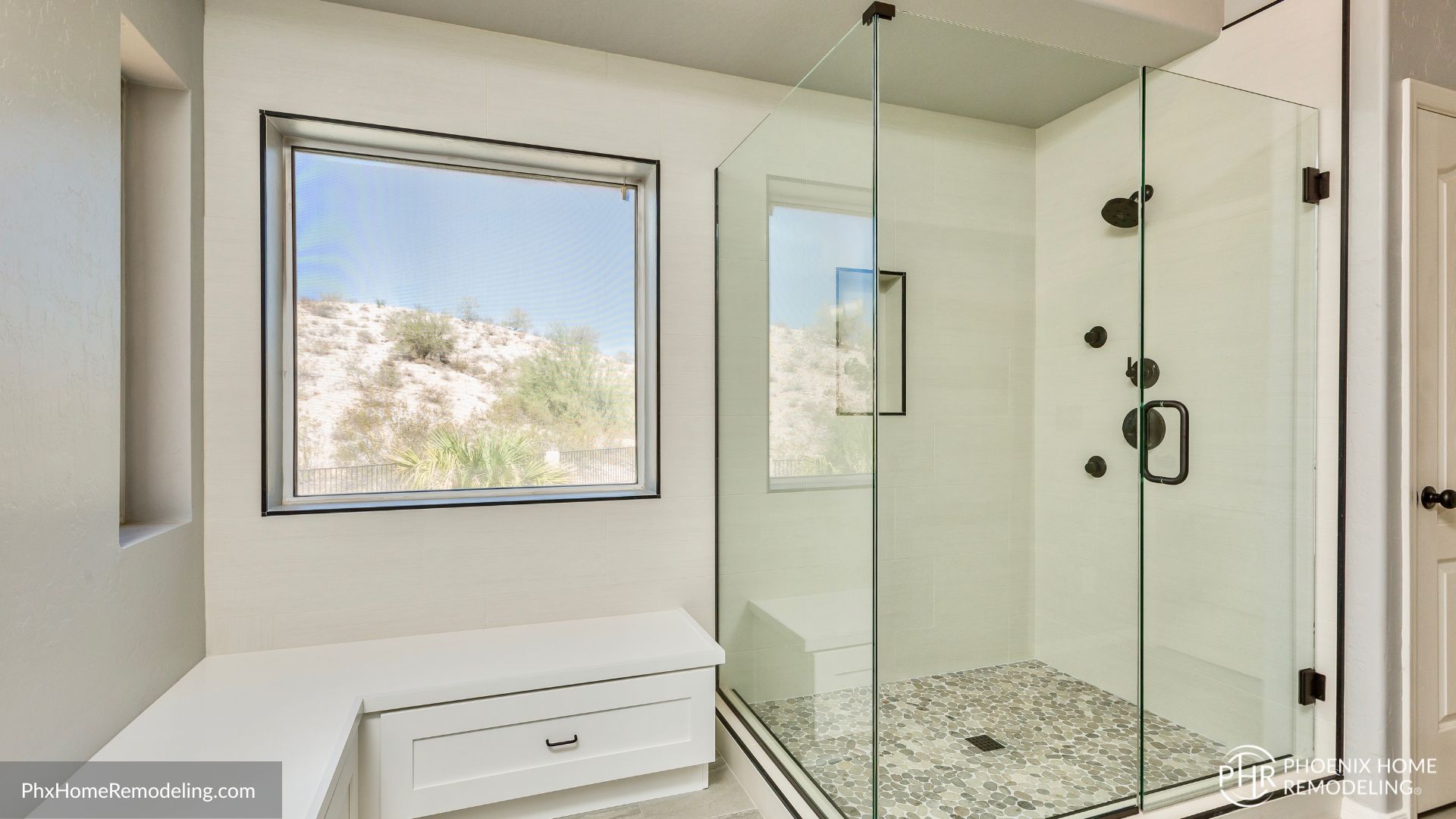
The lasting value of a well-chosen tile comes down to presence. It should feel inevitable, as if the room’s architecture invited the tile to exist there from the start. It should offer comfort when you walk in after a busy day and maintain its integrity after years of daily use. It should be a sound financial decision that respects both aesthetics and practicality. In a Chandler home, that balance is not a dream. It is a standard you can meet with the right materials, the right questions, and the patience to let the room reveal its best version of itself over time.