A cool morning sun slips through the window and lands on a bathroom where water stains and dated tile once told a story of deferred decisions. We’ve all been there. You want a space that functions like a quiet apology to your morning routine, not a reminder that time keeps marching on. In Phoenix, where light plays across rooms differently than in cooler climates, a bathroom remodel can feel almost transformative—like redefining the heartbeat of a home. This piece is about making that transformation practical, enjoyable, and efficient, backed by years of hands-on work, close calls, and a fair share of happy endings.
As a long-time contractor who has spent weekends measuring, negotiating, and selecting materials with clients who were equally excited and uncertain, I’ve learned a few core truths. First, planning is not a rigid script but a compass. Second, the Phoenix climate demands a certain pragmatism when choosing materials. Third, the best remodels start with honest conversations about how a bathroom is used, who uses it, and what the space looks like at 6 a.m. versus 9 p.m. The goal is not perfection as a concept but perfection in daily, practical use.
This article weaves together real-world insights with concrete steps to guide you through a bathroom remodel in Phoenix. It’s not a glossy brochure; it’s a field guide for homeowners who want to understand the tradeoffs, the timing, and the budget realities of a project that can range from cosmetic tweaks to full-scale overhauls.
A Phoenix-specific frame for a bathroom remodel
Phoenix is a place of sun, heat, and efficient cooling. Your bathroom is a space where moisture, airflow, and humidity need to be managed with intention. The goals are simple on paper and surprisingly nuanced in practice: durability that withstands high humidity and rapid temperature swings, water efficiency that respects rising utility costs, and design that feels timeless, not time-stamped.
In practice, this means prioritizing a few design decisions from the start. Ventilation is not optional; it is a cornerstone. If you’re replacing a shower, you want a system that moves air quickly enough to keep a mirror fog-free and a space comfortable even on a 110-degree day. If you’re updating the flooring, you’ll weigh the tradeoffs between porcelain tile and luxury vinyl plank in terms of grout maintenance, slip resistance, and the way light reflects across the room. If you’re reconfiguring the layout, you’ll consider how a smaller footprint might still feel open, perhaps by shifting the shower to a corner and choosing a frameless glass enclosure that visually enlarges the room.
This is where your character as a homeowner starts to show. Do you lean toward a spa-like retreat with soft grays and matte finishes, or do you want a cheerful, sunlit space with bold color accents and bright licensed remodeler white fixtures? Either choice can work in Phoenix so long as you’re clear about how you live in the space, how you clean it, and how much you’re willing to invest in long-term maintenance.
A practical blueprint for a successful remodel
The path to a successful remodel begins with small, deliberate steps that accumulate into a larger, satisfying result. In many projects I’ve managed, the biggest wins came from solving three interlocking problems before the demolition crew ever showed up: moisture control, storage optimization, and lighting balance. Here is a narrative of that approach in action.
Moisture control is not glamorous, but it is essential. Bathrooms are humid places by design. If you leave the moisture unchecked, you’ll fight a long, expensive battle with mold, peeling paint, and recurring tile damage. The key is to treat moisture not as an occasional nuisance but as a continuous condition to be managed. That means a well-sealed shower enclosure, properly sized exhaust fans, and a vapor barrier behind any new wall that might need it. In many Phoenix jobs I’ve overseen, we upgraded to a humidity-sensing exhaust fan that ramps up automatically when the room reaches a certain moisture level. It’s a small sophistication, but it pays dividends in comfort and longevity.
Storage is another quiet revolution. A bathroom often feels chaotic because it lacks a home for the thousands of little things that accumulate—balms, brushes, cleaning products, spare towels. The design answer is not more shelves alone but a thoughtful mix of built-ins, vanity drawers, and niches that reduce clutter while keeping frequently used items accessible. In a recent project I helped, we integrated a vanity with deep drawers for grooming tools, a shallow upper cabinet for medications, and a recessed niche in the shower for soaps and shampoos. The client could find everything in seconds, and the space breathed easier.
Lighting is the finishing touch that elevates a bathroom from functional to joyful. A well-lit bathroom respects the time of day and the task at hand. We don’t simply rely on overhead lighting in these rooms. Instead, we layer light sources: a flattering vanity light that makes skin tones read correctly during morning routines, recessed ceiling lights to illuminate the whole space without glare, and a dimmable option for late-night visits that still reads as a serene retreat. In Phoenix, where you may be preparing for a hot day or winding down after a long one, lighting can guide mood as surely as it guides tasks.
One of the most satisfying parts of any remodel is the moment when the space starts to feel like a personal workshop rather than a generic showroom. This happens not with a single dramatic decision but when your material selections, color palette, and hardware finishes begin to speak the same language. In Phoenix, where the light can wash everything in a warm glow, you can choose finishes that stay crisp under daylight or soften into a creamy, inviting tone as evening shadows grow.
A few design principles that consistently serve Phoenix bathrooms
- Durability and ease of maintenance win long-term happiness. You want surfaces that resist water staining, are easy to clean, and tolerate hot, dry air without cracking or fading. Light-reflective surfaces make a small space feel larger. The right shade of tile, a smart mirror with backlighting, and a polished metal fixture can transform perception without adding a dime to the budget. Water efficiency lowers operating costs and supports sustainability. Low-flow toilets, compact fixtures, and efficient showerheads create a more economical bathroom without sacrificing user experience. Ventilation is non-negotiable. A great exhaust fan is the unsung hero of the project, and it should be appropriately sized for the room and controlled by humidity sensors when possible. Timeless materials beat short-lived trends. A classic porcelain tile, a neutral palette, and simple hardware can stay current for years, reducing the need for frequent updates.
A realistic view of costs, timing, and decision-making
Budget is the compass that keeps a remodel from spinning out of control. In Phoenix, you’ll find a broad spectrum of price points depending on materials, the scope of the project, and the complexity of the plumbing and electrical work. A cosmetic refresh—new paint, hardware, lighting, and perhaps a shallow vanity upgrade—can be done for a fraction of a full-scale renovation. A mid-range remodel that adds a larger tile job, a new shower enclosure, and upgraded fixtures will require a more substantial investment but still deliver a strong return in daily use and home value. A true full gut—walls moved, plumbing rerouted, a complete reconfiguration of the space—will be the most demanding, both in cost and in the timeline.
Timelines vary with complexity. A simple refresh might wrap in two to three weeks, assuming no surprises lurking behind walls. A mid-range remodel tends to take four to six weeks, while a full gut in a moderate square footage bathroom can stretch to eight to twelve weeks. The longer you are in the planning phase, the shorter the actual construction window should be, but you should also anticipate additional time for ordering custom pieces or dealing with supply delays. In Phoenix, supply chains can be influenced by regional factors such as tile availability, sinks, or accent fixtures that become trendy and quickly popular. The crucial thing is to set a realistic window with your contractor, including a buffer for weather-related delays or material backorders.
Choosing the right partner for a Phoenix bathroom remodel
A remodel is as much about the people as the plan. You want a partner who listens, explains clearly, and follows through. In my experience, the best relationships thrive when there is a shared sense of purpose—to create a space that remains comfortable and practical year after year, not just a space that looks good in photos. When interviewing potential remodelers, I urge homeowners to focus on a few practical markers.
First, review their process. Do they walk you through the design phase, the permitting process if needed, and the approach to scheduling and subcontractors? Second, consider their communication style. Are they responsive to emails and calls, and do they provide clear, itemized estimates with a realistic allowance for contingencies? Third, assess their problem-solving approach. Ask about a past project where something unexpected occurred and how they adapted to keep things moving forward. Fourth, verify their references. A five-minute call with a former client can reveal how a contractor handles the inevitable hiccups and what it feels like to work with them day Phoenix Home Remodeling to day.
Another practical consideration is the scope of services. Some remodelers offer a full-package experience: design, permitting, and construction, with a single point of contact. Others provide a more modular approach, letting you bring in an internal designer or coordinate with your own team. In Phoenix, where many homes are older and may require updates to electrical or plumbing in addition to cosmetic changes, having a partner who can seamlessly incorporate those updates is a major advantage.
The emotional arc of a bathroom remodel
Remodels are emotional journeys as much as technical ones. There will be moments of exhilaration when tile is laid and fixtures gleam, and there will be drops of anxiety when a shipment is late or a measurement reveals a snag. Managing expectations is part of the craft. When you see the first rough sketch evolve into a real space, the surge of satisfaction is real. The trick is to maintain momentum without rushing decisions that will matter for years.
To help keep spirits high, integrate small wins along the way. Schedule a mid-project walk-through with your contractor to celebrate progress, even if it is just a new tile edge being set or a vanity cabinet being installed. Take photos that you can compare over time to remind yourself of how far you have come. And build in rituals for the handoff: a moment to test the exhaust fan, to adjust lighting levels, to open and close the drawers with a sense of ownership.
The human scale of choices: materials, finishes, and textures
Material choices in Phoenix bathrooms are as much about texture and feel as they are about price. A high-traffic bathroom benefits from durable materials that resist wear, while a guest bathroom may allow for more decorative experimentation. Tile is a common focus, and the variety can be overwhelming. A porcelain tile with a matte finish offers durability and a sophisticated feel, while a ceramic tile with a slight gloss can brighten the space and make maintenance a bit easier. Stone can add a sense of luxury but requires more maintenance and sealing, a factor to consider in a climate where temperature swings are pronounced.
Countertops present another area for careful selection. Quartz is a dependable choice, combining durability with a broad range of patterns that mimic natural stone without the upkeep. Solid surface remains a solid performer for vanity tops, offering seamless cleaning and consistent color throughout. When selecting cabinetry, consider soft-close hardware and internal dividers to maximize usable space. For hardware, brushed nickel or matte black finishes provide a modern, timeless aesthetic that works with most tile choices and wall colors.
Shower and tub configurations often set the tone. A frameless glass shower enclosure feels open and modern, but it can be more expensive and requires precise installation to prevent leaks. A built-in niche within the shower wall is a small, often overlooked feature that dramatically improves everyday use by keeping soaps and shampoos accessible. If you enjoy baths, a soaker tub can be a sanctuary-like focal point, especially when paired with a rain showerhead and warm lighting.
Color palettes that age well in Phoenix homes
Light neutrals with an underlying warmth tend to sell well and stay relevant as trends evolve. A soft warm gray, a taupe with a touch of cream, or a bone-like ivory can carry a design forward for years. If you crave more personality, you can introduce accent pieces through towels, artwork, or a rug. A bold tile that makes a statement can anchor the room, but pair it with understated wall colors and hardware to prevent the space from feeling loud after a few years.
In the practical realm, keep maintenance in mind when selecting colors. Lighter grout tends to show dirt more readily, which can be a practical complication in a bathroom that sees daily use. If you opt for lighter grout, consider epoxy grout or a sealant that resists staining and is easier to clean. Conversely, darker grout can conceal some grime but may darken the room visually, so balance is key.
Two concise checklists to sharpen decision-making
1) Project kick-off priorities
- Confirm budget ceiling and contingency Decide on primary design style and key materials Verify ventilation capacity and moisture management plan Establish a realistic timeline with a built-in buffer Select a lead contractor and schedule a design walkthrough
2) On-site daily rhythm
- Start with a short daily briefing about tasks and safety Ensure dust protection and cleanliness of common areas Track progress with a simple photo log and notes Review any changes or substitutions before installation End the day with a quick walkthrough to verify measurements and placements
The Phoenix perspective on sustainability and efficiency
Energy and water efficiency are not only good for the planet; they also improve the daily experience inside a bathroom. Low-flow fixtures reduce water use without sacrificing performance, and insulated plumbing helps minimize heat loss, which matters in the winter and during shoulder seasons. Choosing LED lighting reduces electricity consumption while delivering a warmer, more natural light feel, which is especially important in bathrooms that receive limited daylight.
Ventilation remains one of the most impactful upgrades you can make. A well-designed system not only reduces humidity but also prevents fogged mirrors and reduces the long-term risk of mold. If your budget allows, install a humidity-sensing exhaust fan that ramps up automatically when needed. It’s a small feature that pays for itself in comfort and health over time.
Anatomy of a Phoenix bathroom remodel that delivered joy
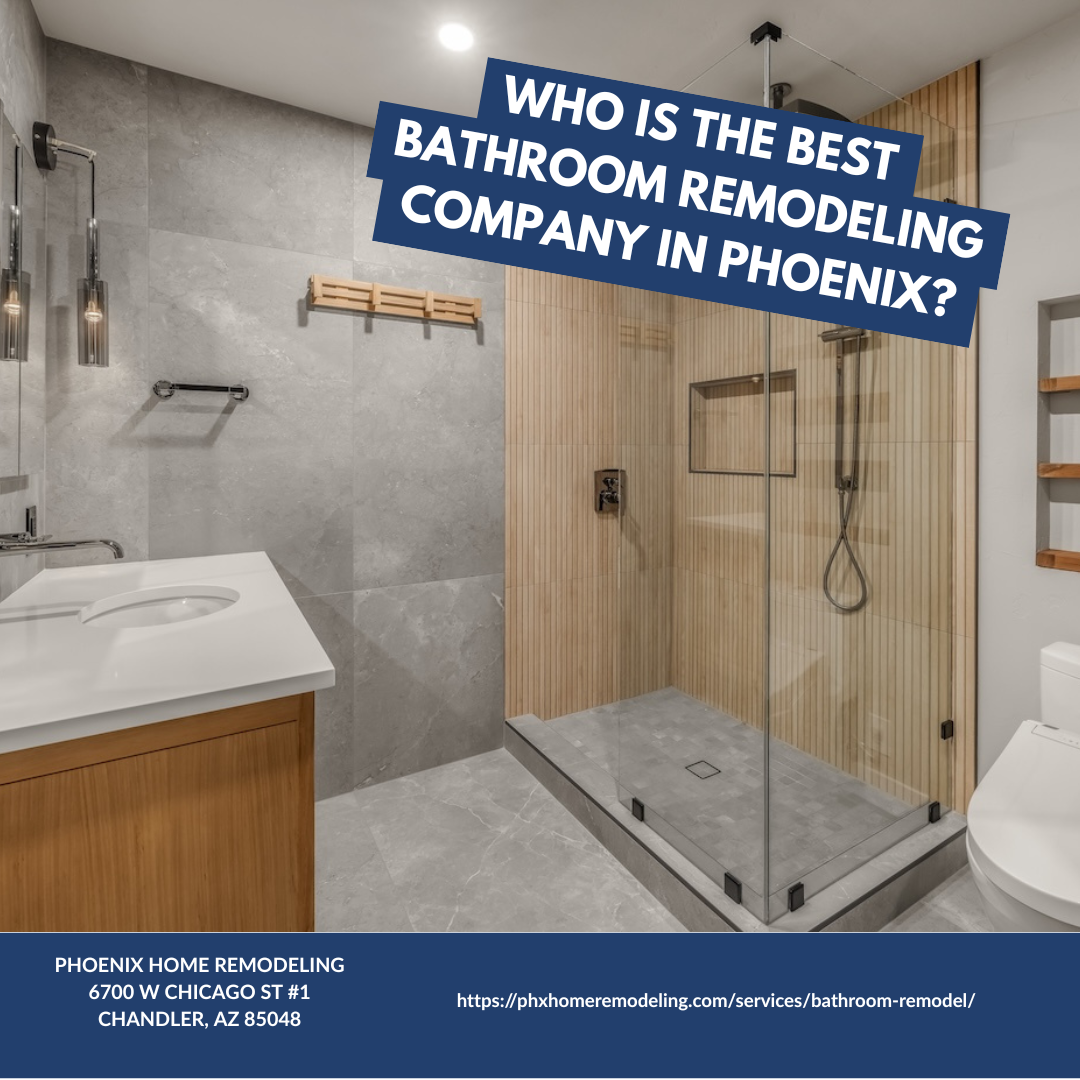
In one project I recall, a family wanted to transform a cramped, dated bath into a spa-like retreat while preserving a portion of its footprint. The initial plan included a larger shower with a bench, a new vanity, and a neutral palette. We began by updating the plumbing to a more efficient layout, removed a wall that blocked light, and installed a frameless shower with a built-in niche. The tile selection was a soft gray with subtle veining, which echoed the natural light while staying reflective enough to brighten the space. We added a floating vanity with deep drawers and a high-output vanity light that rendered makeup applications precise without harsh shadows.
The result was transformative. The room felt more expansive, the shower was everyday luxury, and the storage finally aligned with how the family actually used the space. The cost was within the mid-range band, but the perceived value was much higher because the space functioned so differently than before. That project also underscored the value of a clear design language and a reliable team. When you choose a partner who understands the day-to-day realities of a home remodel, the process becomes less about drama and more about deliberate, purposeful changes.
The value proposition for a Phoenix bathroom remodel
For many homeowners, a bathroom remodel is an investment in comfort and daily life. In Phoenix, where homes often come with a unique mix of mid-century bones and modern updates, a remodel can renew the relationship you have with the space. A well-executed project improves usability, reduces maintenance, and can enhance resale value. It’s not just about increasing square footage or swapping out fixtures; it is about creating a space that anticipates a routine, respects local climate realities, and stays inviting as years go by.
But value is a moving target, not a fixed number. The right remodel elevates your day-to-day life, reduces energy and water use, and provides a sense of calm each morning and night. It should feel personal and grounded, a space that supports your habits rather than forcing you to adjust your patterns to fit the room. For Phoenix households, the most meaningful upgrades often center on three touchpoints: moisture management, efficient storage, and lighting that carries the mood of the day. When those elements align, a bathroom remodel becomes less about chasing trends and more about achieving a durable sense of home.
A closing thought from the front lines
During a long stretch of projects, a recurring moment stays with me. When the room begins to resemble the vision, and the crew begins to disappear from sight because everything is installed correctly, a homeowner looks around with a small, grateful smile. It’s not pride; it’s relief that the space will handle a family’s routine for years to come. That moment—quiet, a little tender, completely real—makes the long hours worth it. It is the quiet perk of a well-executed remodel in a sun-soaked city where the bathroom is more than a room; it is a daily ritual that welcomes you, twice a day, into a space you can trust.
If you are contemplating a Phoenix bathroom remodel, start with a conversation that is as honest as it is hopeful. Talk about your daily rituals, the things you love to see in a bathroom, and the tasks you dread. Bring a few photos from spaces you admire and a rough feel for the budget and timeline. Then, choose a partner who listens as attentively as they speak about materials and methods. The rest follows—tile, fixtures, lighting, and finishes—one meaningful choice at a time. The result is not a perfect showroom image but a real, lived-in space that supports your life with charm, efficiency, and a touch of the happiness that comes from a job well done.